



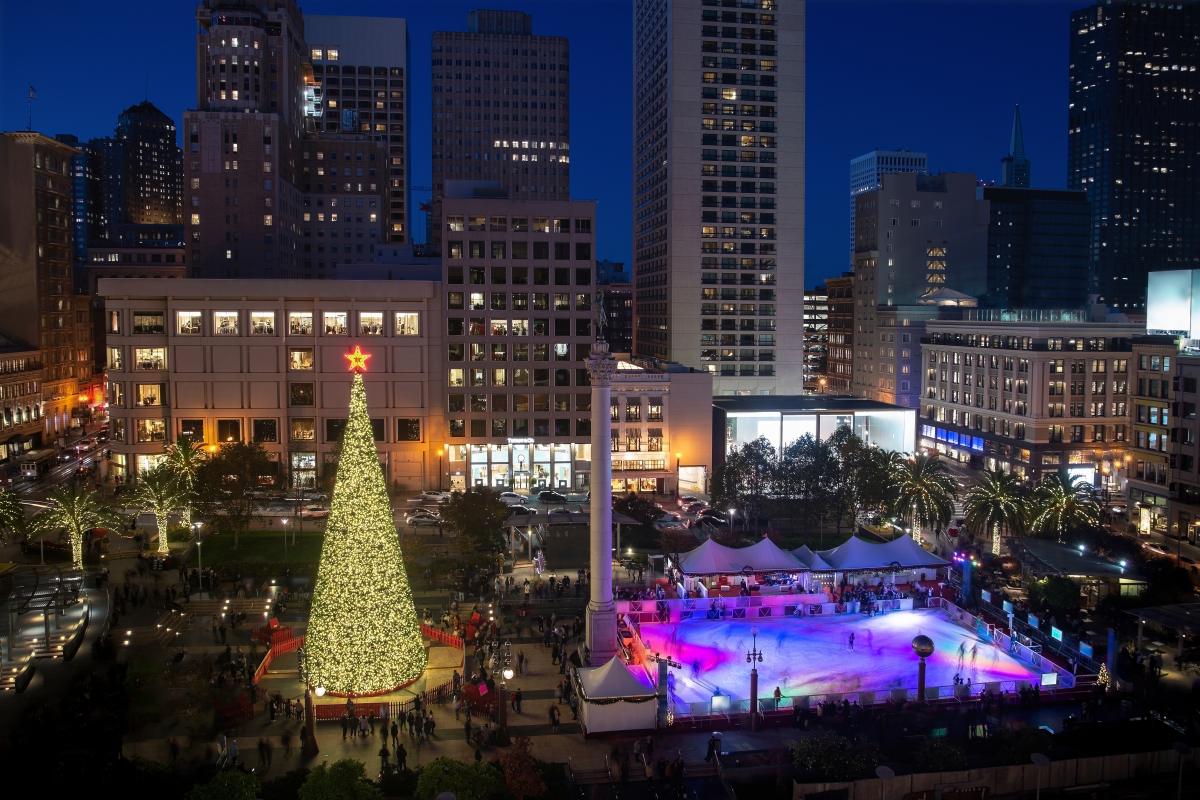
Christmas Eve has this sneaky way of flipping the switch. One minute it's warm lights in windows, and the next minute you hear that first crack, then a lift, then the sky blooms like someone just hit “finale” on the neighborhood.
If you've ever wondered why fireworks on Christmas Eve are so common, it's because December 24 is the primary celebration night in many cultures.
It's the night everyone wants one shared moment that feels bigger than a group text and a toast. Fireworks do that instantly.
And no, it's not universal. In some places, Christmas Eve stays quiet on purpose, and in other places, it comes with a little chaos and a lot of joy. The key is local tradition and the way communities celebrate when the clock gets close to midnight.
What this article covers:
- Why Fireworks Are Common On Christmas Eve
- The History Behind The Tradition
- Where The Tradition Is Most Common
- Why People Still Set Off Fireworks On Christmas Eve Today
- Why Fireworks Often Happen Late At Night On Christmas Eve
- Frequently Asked Questions
Why Fireworks Are Common On Christmas Eve
In many places, Christmas Eve is the night when families actually gather, eat, exchange gifts, and stay up late together. That's when the celebration spills outside.
In parts of Latin America, for example, Christmas Eve (Nochebuena) is widely treated as the major festive night, often paired with Midnight Mass and big family meals.
Fireworks fit that kind of evening because they work as a shared, public celebration. They're not automatically a religious requirement; they're more like the neighborhood version of turning the music up a notch.
If you've ever seen a street light up with holiday decorations, candles, or lanterns, fireworks can feel like the loud, bright extension of that same “light in the darkness” mood, just aimed at the sky.
In the U.S., this shows up most often in communities that bring their Christmas Eve traditions with them. You might not see it across an entire city, but you'll hear it in pockets where the celebration style leans big and communal.

The History Behind The Tradition
Historically, loud celebrations have always followed major calendar moments. People use sound and spectacle to mark “this night matters,” whether it's a religious holiday, a cultural festival, or a turning point in the year.
Christmas Eve became a major celebration night in many regions because it's the lead-up to Christmas Day, and it often includes late services and big gatherings that end after dark.
In many Latin American traditions, Nochebuena brings together church, food, and family into one long night. Once the community is already awake and together, a burst of fireworks makes sense as the final exclamation point.
Fireworks also became more common as consumer fireworks became easier to buy, store, and use.
When you can grab a variety pack and build a small backyard moment, more people do it, and over time, it turns into a normal part of the holiday vibe for that community.
Where The Tradition Is Most Common
You'll hear Christmas Eve fireworks most often in many parts of Europe and Latin America, as well as in some coastal or festival-heavy cities where public celebration runs late. The exact “where” matters less than the local style.
That's the real rule: culture drives the tradition more than the holiday itself.
One town might treat December 24 like a quiet, cozy night indoors. Another might treat it like the main event, with music, outdoor gatherings, and fireworks that feel as normal as dessert on the table.

Why People Still Set Off Fireworks On Christmas Eve Today
Most Christmas Eve fireworks aren't random. They come from a few specific “this is the moment” triggers that happen on Dec. 24 in a lot of households.
First, it's the timing. Christmas Eve is when people actually have everybody together, cousins are in town, food is out, and someone finally says, “Alright, let's go outside.”
That's when a quick fireworks run makes sense, especially if the plan is to keep it tight and give the kids something unforgettable before the bedtime negotiations start.
Second, it's the midnight effect. Even in homes that open gifts on Christmas morning, a lot of people treat late-night Christmas Eve as the emotional peak.
If a family goes to a late service or does a “one gift” tradition, fireworks become a natural capstone because they land right when the night feels biggest.
Third, it's copycat energy. Some neighborhoods have a public display or even just one household that always lights something. Once that first burst hits, other people jump in because they already have fireworks, and the moment feels socially “approved.”
Fourth, it's leftovers, the most common reason nobody posts about. July 4 and New Year's shopping lead to extra inventory in garages, and December is when people remember it exists.
If you want a Christmas Eve setup that feels intentional (not chaotic), run a short sequence with a clear start and a clean finish.
Here's a simple flow that works for mixed ages:
- Start with sparklers fireworks for photos, kid-safe excitement, and an easy warm-up
- Shift into fountain fireworks for taller color, longer burn time, and steady visuals that don't vanish in one second
- Add spinner fireworks for fast motion, quick laughs, and that “whoa, do that one again” reaction
- Finish with one strong cake fireworks if your area allows aerials, then stop while it's still hype
Keep it to 5 to 10 minutes, keep spectators back, and choose effects that look different from each other so it feels like a real show.

Why Fireworks Often Happen Late At Night On Christmas Eve
The late timing is mostly practical. Fireworks look best after dark, and Christmas Eve celebrations often run late by design. In many traditions, Midnight Mass is a major anchor point, and the celebration doesn't feel “complete” until the night hits its peak.
Midnight also carries symbolic weight. People treat it like the moment Christmas “arrives,” even though the holiday technically spans more than a single second. So you'll hear fireworks close to midnight for the same reason you hear them on New Year's Eve: it's a dramatic way to mark the moment.
That said, what's normal depends on where you live. Some neighborhoods treat late fireworks as part of the season. Others don't, and local rules can be strict.
Frequently Asked Questions
Is It Normal To Have Fireworks On Christmas Eve?
It can be normal, depending on local culture. In communities where Christmas Eve is the main celebration night, fireworks can be a familiar part of the atmosphere. In other places, it's rare, and a few pops stand out because the neighborhood tradition is quieter.
What Time Do People Usually Set Off Fireworks On Christmas Eve?
Most Christmas Eve fireworks happen after dark. In areas where the tradition is strong, you'll often hear them later in the evening, sometimes near midnight, because celebrations run long and the moment feels symbolic.
Is It Legal To Set Off Fireworks On Christmas Eve?
Legality depends on your state, county, and city rules, and those rules can change fast. If you're not sure, check local regulations before lighting anything. When in doubt, choose lower-impact options like safe and sane fireworks or keep it to ground effects like ground fireworks.
Conclusion
Fireworks on Christmas Eve stick around in many places because December 24 is a major celebration night, and fireworks are a loud, bright way to welcome Christmas with joy.
What feels “normal” depends on local culture and local rules, so the smartest move is matching your plan to your area.
If you're going to light it up, make it clean and make it memorable. Shop premium Red Apple Fireworks online or visit a location near you.
For more exclusive access, like stackable cash back, early access, secret member-only content, join Club Red Apple!
Ready to learn more about fireworks? Check out these articles:


Leave a comment
All comments are moderated before being published.
This site is protected by hCaptcha and the hCaptcha Privacy Policy and Terms of Service apply.