



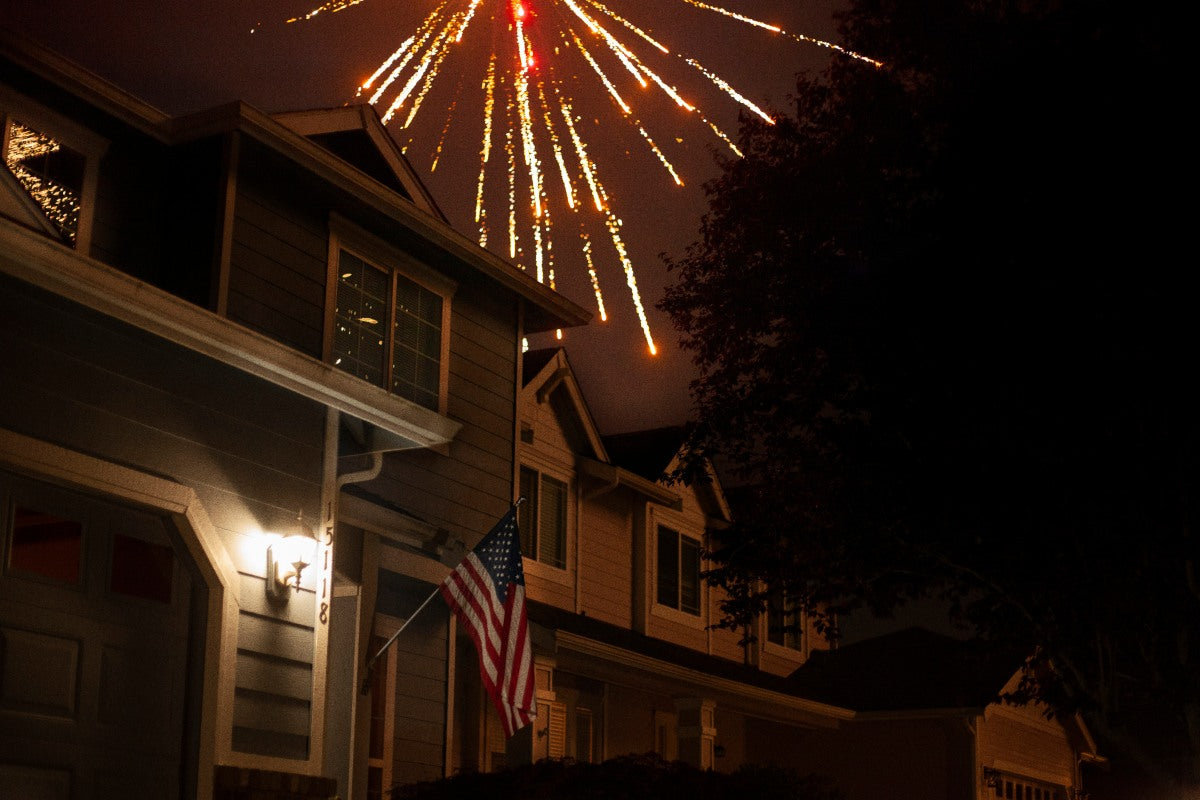
Are you wondering when people pop fireworks? Most fireworks happen during celebrations and after dark, when a special moment feels big enough to deserve a sky full of noise and color.
Once you notice the rhythm, it clicks fast. Holidays hit hardest, weekends run a close second, and the days right after a big night stay spicy because leftovers exist and nobody wants to waste the good stuff.
What this article covers:
- On Major Firework Holidays
- During Cultural And Religious Celebrations
- Around Holiday Weekends
- During Summer (Peak Season For Fireworks)
- After Dark (The Most Common Time Of Day)
- In The Days After A Big Holiday
- Frequently Asked Questions
On Major Firework Holidays
Big holidays drive the biggest spikes, and they also create the “echo” you hear before and after. When someone goes all-in on a holiday shopping run, the celebration rarely stays confined to one night.
New Year's is a perfect example. People fire on New Year's Eve to hit midnight, and some people fire again on New Year's Day because family is still in town and the vibe is still rolling.
July 4 is even louder because it lands in peak summer, and it has a built-in backyard party culture.
You'll also see regional bursts on Memorial Day weekend or Labor Day weekend, especially in areas where summer weekends already feel like mini holidays.
If you want a simple way to read the neighborhood, expect more fireworks on those big nights, and assume you'll hear them both before and after the date itself.

During Cultural And Religious Celebrations
If you only track the big U.S. dates, you'll miss a lot of the real-world schedule.
Communities celebrate different cultural and religious holidays, and fireworks can be part of that tradition depending on local customs and what's legal in the area.
Diwali often features lights and celebrations, and in some places, fireworks are part of the experience.
Lunar New Year can also bring fireworks into the mix, especially in communities that celebrate with loud, bright “new year energy.”
In the UK, Bonfire Night (Guy Fawkes Night) is another classic fireworks date tied to local tradition.
The big takeaway is simple: your neighborhood might be celebrating something you don't personally observe. That's not automatically sketchy, it's just how local culture works.
For more information, check out this guide on what holidays have fireworks.
Around Holiday Weekends
Weekends are peak fireworks time because people have time and energy. Friday night starts the party mood, Saturday night is the main event, and Sunday night becomes the “last chance” send-off before the workweek.
Long weekends turn that volume up. People extend the celebration because they can sleep in or take Monday off, and that extra breathing room makes folks more willing to plan a mini show.
Even a small setup feels bigger when everyone is relaxed and hanging out outside.
If you're planning your own weekend show, build it like a story: start with lower-level visual stuff, climb into the sky, then finish clean.
That's where a mixed lineup helps, like fountain fireworks and ground fireworks early, then aerial fireworks when the crowd is ready to look up.

During Summer (Peak Season For Fireworks)
Summer is fireworks season because everything lines up.
People spend more time outdoors, kids stay up later, and backyard parties happen constantly. Even if someone is not celebrating a holiday, summer nights make fireworks feel “normal” in a way winter does not.
Climate matters, too, but you do not need to get overly specific to understand the trend. In many places, fireworks ramp up from late spring into summer, then peak around early July. In warmer regions, you might hear fireworks in more months because outdoor gatherings stay comfortable longer.
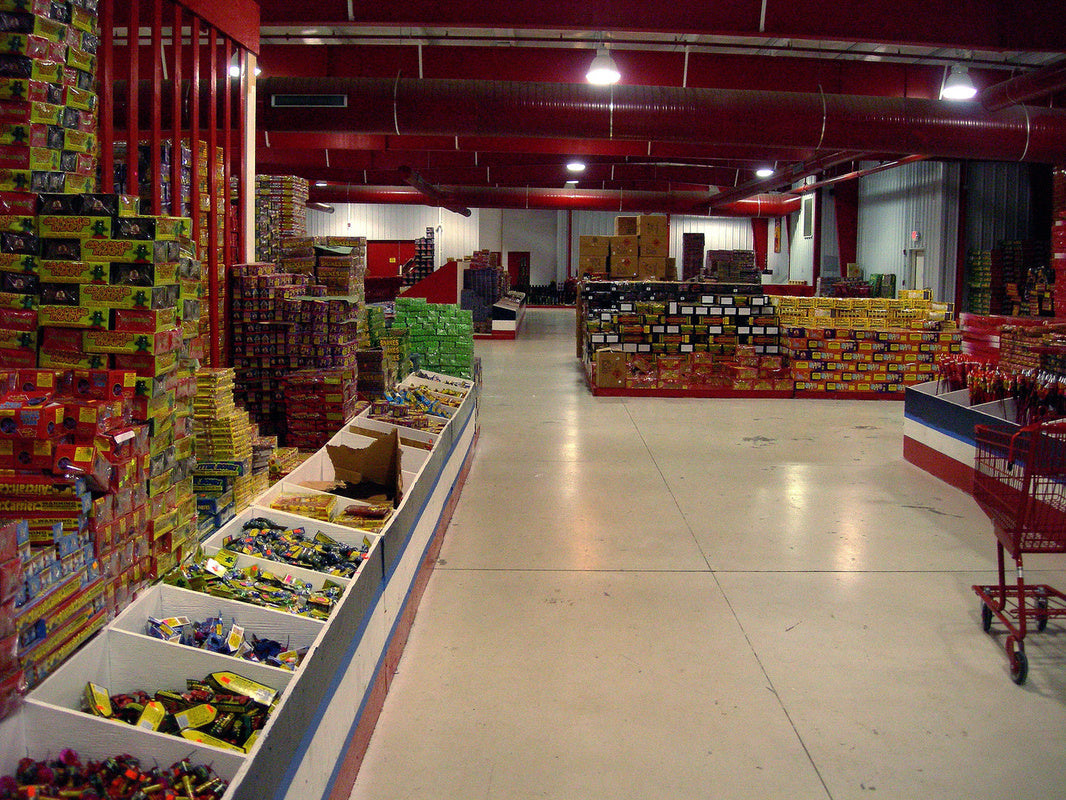
Summer is also when people buy bigger assortments. If you've ever seen someone roll up with a pallet of fireworks, that is usually summer party season behavior, not a random Tuesday impulse.
After Dark (The Most Common Time Of Day)
Fireworks look best at night. That's the whole point. Color, glitter, strobe, crackle, and big breaks all pop harder against a dark sky, so most people wait until it's actually dark enough to get the full effect.
A common window is dusk to midnight, but it varies based on local rules and local habits. On weekends, the “late-night trend” kicks in because people start later and want the party to last. That's when you'll hear bigger items, like cake fireworks, or classic crowd-pleasers like roman candles and rocket fireworks.
If you want fireworks energy without the full aerial volume, families often go for a mix that keeps everyone smiling, like sparklers fireworks, plus a few safe ground pieces. It still feels festive, and it keeps the pace under control.

In The Days After A Big Holiday
The post-holiday leftovers are the loudest “mystery” reason, and it's totally predictable. People buy more than they use, then they spend a week or two burning through the extras on warm nights.
Early July and early January are classic for this. You'll hear random pops because someone still has a stash, or because a neighbor sees someone else light one and thinks, “Yeah, I've got a few left, too.”
This is where smaller items show up a lot, like snaps fireworks, novelty fireworks, or even a little string of firecrackers. The big finale stuff usually stays for the main night, but you'd be surprised how many people still have a full fireworks box sitting around after the holiday.
Frequently Asked Questions
What Time Do People Usually Set Off Fireworks?
Dusk is the start line, and midnight is a common upper limit in many places, depending on local rules and neighborhood tolerance. On weekends, you'll see later starts because people eat later, gather later, and want the show to land at peak hype.
Why Do Fireworks Start Before A Holiday?
Because excitement hits early, and because shopping starts early. People want to test, they want to celebrate with friends who are only in town for a couple of nights, and they want to use weekends leading into the holiday.
How Long Do Fireworks Last After A Holiday?
Usually, a week or two, sometimes longer, depending on how much people bought. Leftovers are the main driver, and warm weather makes it easier for people to step outside and light something “real quick.”
Conclusion
Most fireworks follow a pattern you can actually predict: big holiday dates, weekend nights, and warm-weather months.
Once you understand the rhythm, the fireworks no longer seem random; instead, they resemble a calendar marked with sound effects.
If you're the one planning the fun, do it with style and with gear you trust.
Shop fireworks that are built for real backyard shows, then find a store near you. Want the insider lane? Grab the Club Red Apple membership for member-only discounts, stackable cash back, early access, and VIP-level support that makes planning your next night way easier.
Ready to learn more about fireworks? Check out these articles:
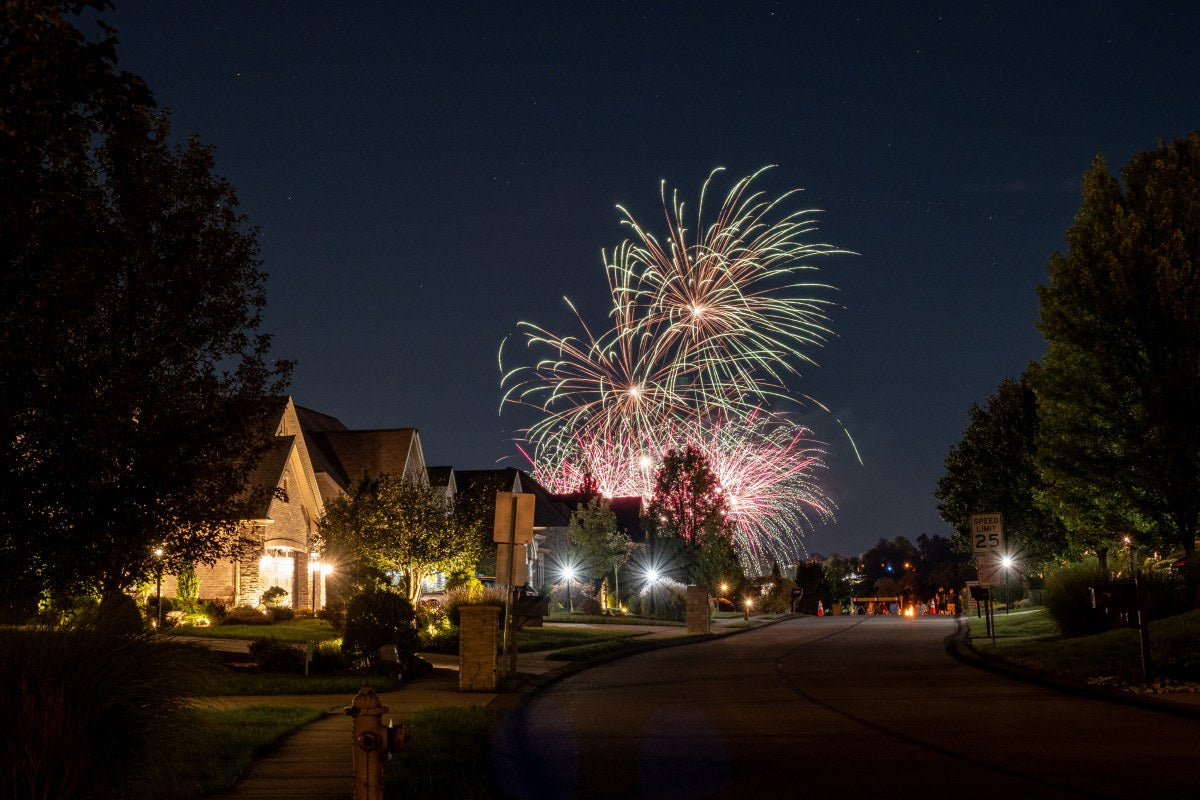
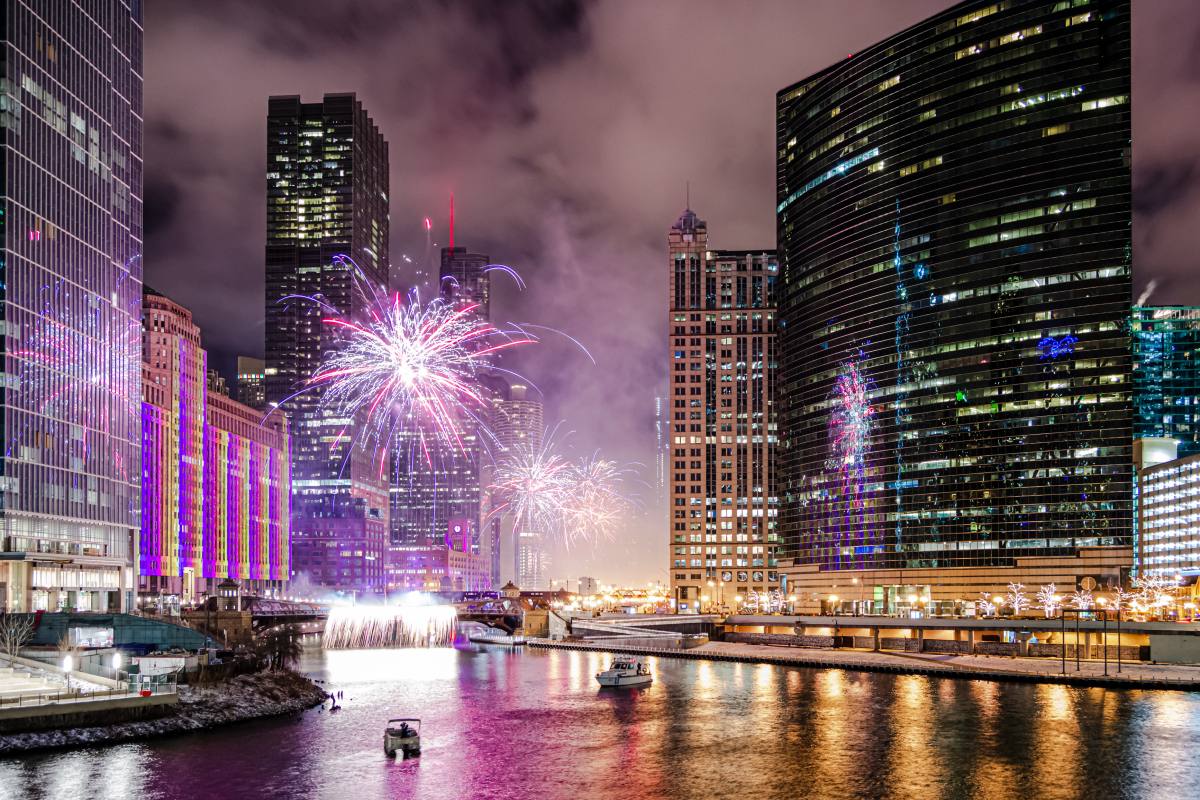
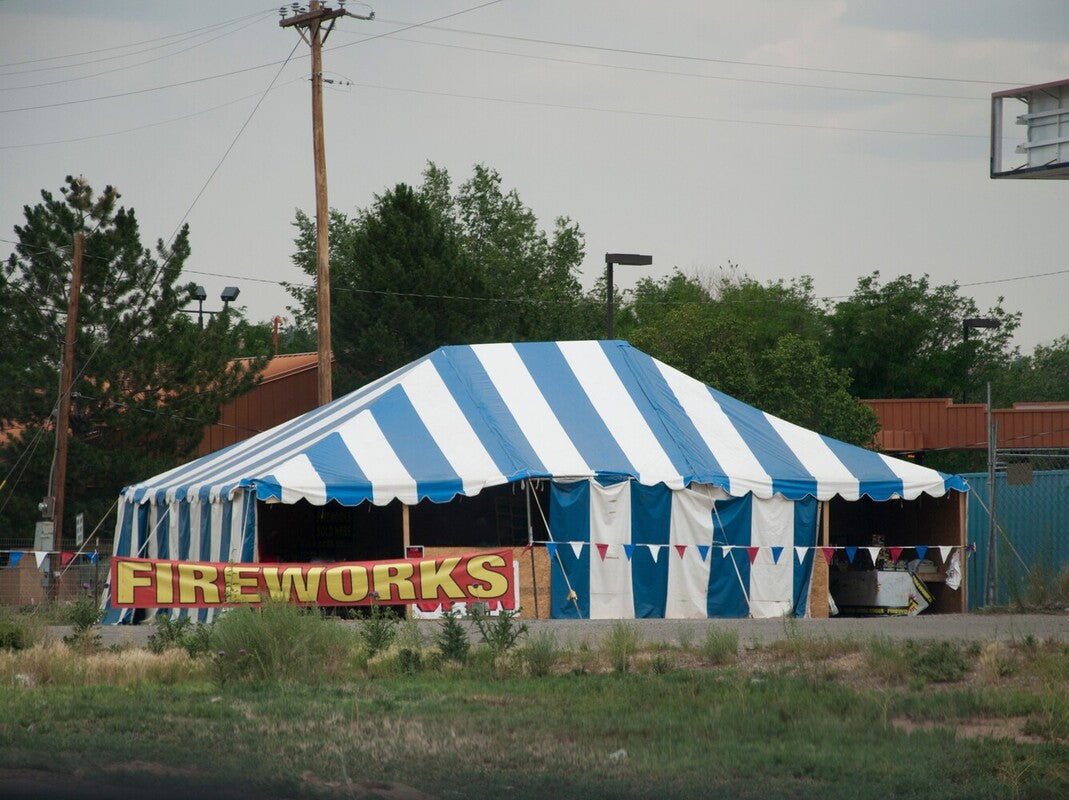

Leave a comment
All comments are moderated before being published.
This site is protected by hCaptcha and the hCaptcha Privacy Policy and Terms of Service apply.